Posture
Is slouching actually bad for you? The honest answer
You've been told to sit up straight your whole life. But does slouching really wreck your body, or is that just health folklore? Here's what the science actually says, myths and all.
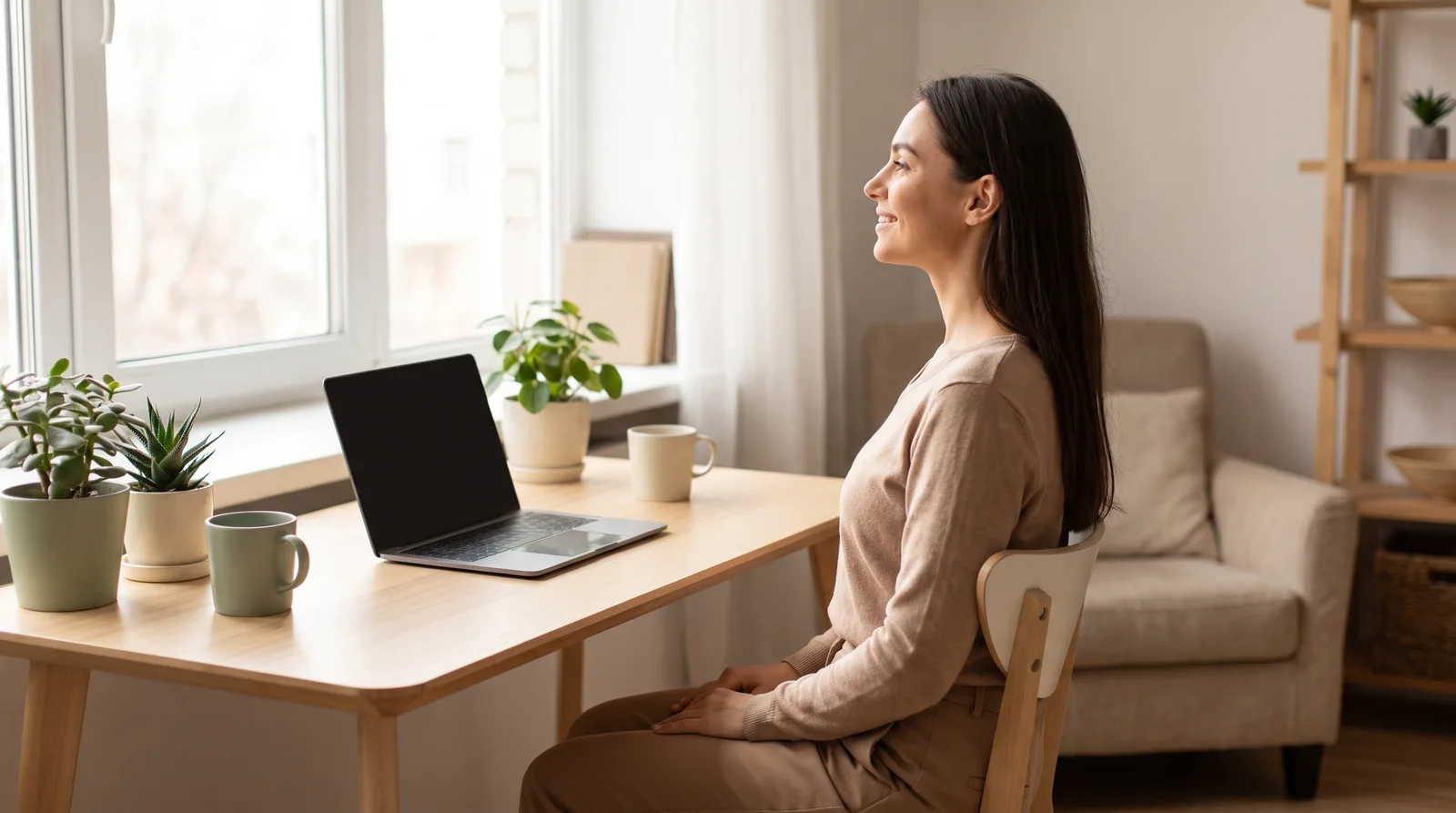
“Sit up straight!”
You’ve heard it from your mum, your teacher, that one aunt at every family dinner, and probably a chiropractor’s waiting-room poster. Slouching, we’re told, is slowly turning us into a nation of question marks: wrecking our backs, crushing our confidence, aging us into hunchbacks.
It’s such a universal scolding that almost nobody stops to ask: is any of that actually true? So we did. We went and read the research, and the honest answer is a lot more interesting (and a lot less scary) than the poster suggests.
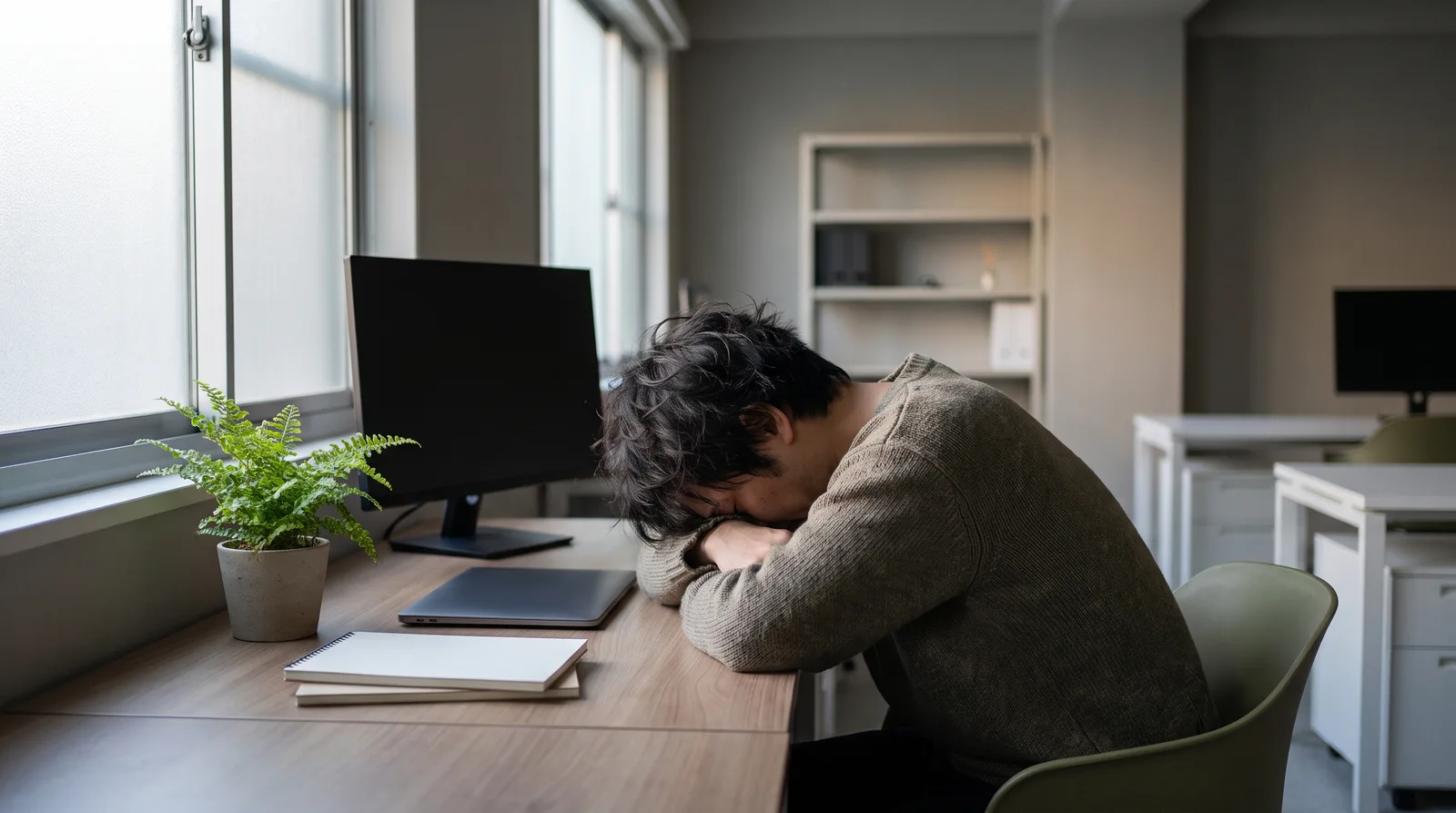
Good news first: your slouch probably isn’t wrecking your spine
Let’s defuse the scariest myth right away. The idea that slouching causes back and neck pain, the thing everyone treats as obvious fact, is surprisingly shaky in the actual science.
Yes, studies find associations: adults with a pronounced forward-head posture report more neck pain than those without (Mahmoud et al., 2019), and “improper sitting posture” shows up as a risk factor for neck pain in students (Gao et al., 2023). But associations aren’t causes, and the picture is messy. That same forward-head review found no link at all in adolescents (Mahmoud et al., 2019), and a systematic review dedicated to teenagers concluded the evidence for posture causing neck and upper-back pain is inconsistent and weak (Wirth et al., 2018). People in pain might slouch because they hurt, not the other way around.
“But what about turning into a hunchback?” Here’s the important small print. The genuinely frightening statistics (that a rounded upper back predicts more falls and even earlier death) are real, but they come from studies of older adults, often in their 70s, 80s and 90s (Kado et al., 2004). In that population the curve is usually structural, driven by things like osteoporosis and spinal fractures, a completely different beast from the soft, reversible slump you fall into on a Tuesday afternoon. Projecting an 80-year-old’s medical condition onto a 25-year-old’s desk posture is like reading a car-crash report to explain a shopping-trolley bump.
So: relax. Your slouch is not a death sentence. That said, it’s not nothing either, and the real effects are the ones nobody mentions.
But slouching does squish your lungs (a little)
Here’s the effect with the strongest, cleanest evidence, and it’s not about pain at all. It’s about breathing.
Fold forward into a slump and you literally give your lungs less room to expand. When researchers measured it, slumped sitting produced meaningfully lower lung-capacity and airflow readings than sitting normally, and standing beat every sitting posture (Lin et al., 2006). Another study found that just slouching dropped people’s inspiratory muscle strength compared with sitting upright (Albarrati et al., 2018). Your breathing apparatus works better when you’re not compressing it like a concertina.
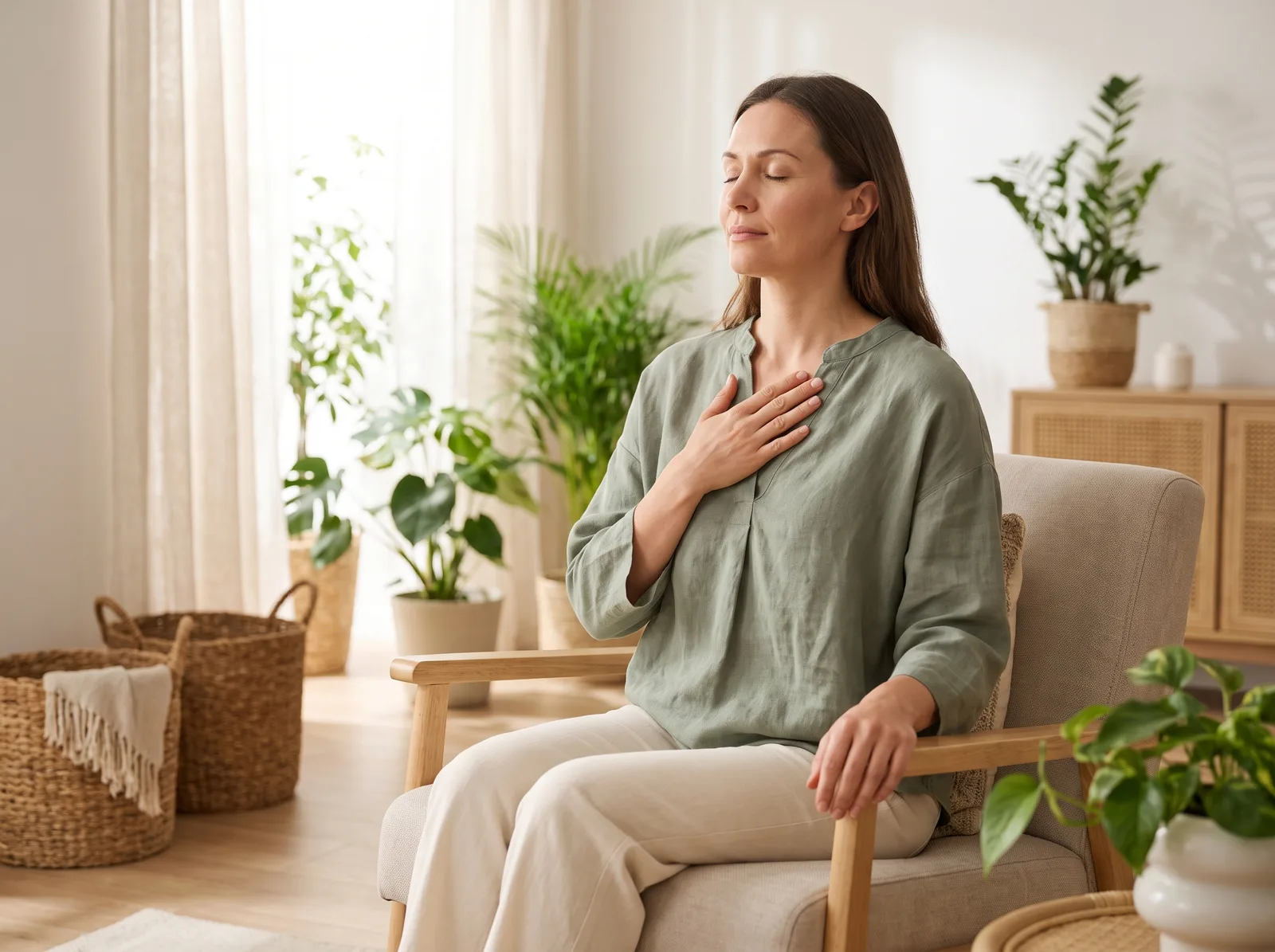
Now, the honest caveats: these are short-term lab measurements, mostly in healthy young adults. Slouching for an afternoon isn’t damaging your lungs. But if you’ve ever felt weirdly low-energy and foggy after hours folded over a laptop, shallower breathing is a plausible, unglamorous part of the story.
Sitting tall might nudge your mood (emphasis on might)
This one is real but modest, so we’ll keep the enthusiasm measured. In a randomised trial, people who sat upright during a stressful task reported higher self-esteem, better mood, more energy and less fear than people who slumped, who, tellingly, used more negative words when describing the experience (Nair et al., 2015). In another trial, people with mild depressive symptoms felt more upbeat, high-energy affect after sitting upright (Wilkes et al., 2017).

Before you throw out your antidepressants and buy a posture brace: these were small, single-session, in-the-lab effects. Sitting tall is not a treatment for anything. But “straightening up might give your mood a small lift in the moment” is a genuinely supported, pleasant little bonus, and free.
The posture myth that refuses to die: “power posing”
You’ve probably seen it: stand like a superhero (feet apart, hands on hips, chin up) for two minutes before a big moment, and supposedly your testosterone spikes, your stress hormone drops, and you stride in braver. The original 2010 study said exactly that (Carney et al., 2010), a TED talk about it racked up tens of millions of views, and “power posing” became gospel.
There’s just one problem: when scientists ran it again with a much bigger, more rigorous sample, the magic vanished. The larger replication found no effect on testosterone, no effect on stress hormones, and no effect on actual risk-taking: the only thing that survived was people reporting they felt more powerful (Ranehill et al., 2015). A follow-up statistical analysis concluded the original evidence didn’t really hold up (Simmons & Simonsohn, 2017). The kicker? The original study’s own lead author later stated publicly that she no longer believes the effects are real.
So strike your Wonder Woman pose if you enjoy it: you might genuinely feel a bit more pumped, and honestly that’s not worthless. Just don’t expect it to rearrange your hormones. It’s a perfect little parable for this whole topic: posture does something, but the something is usually smaller and subtler than the hype.
So… should you actually bother sitting up straight?
Yes, just for the right, un-hyped reasons:
- You’ll breathe more freely. The most solid perk. An open chest beats a compressed one (Lin et al., 2006).
- You might feel a touch better and more energised in the moment (Nair et al., 2015). Small, but free.
- The best posture is your next one. This is the real secret. There’s no single “correct” pose you must lock into rigidly: the actual problem is staying frozen in any one position for hours. Sitting tall matters mostly because it breaks you out of the collapsed slump you’ve been marinating in.
- Bonus, don’t oversell it: standing burns a hair more energy than sitting, about 50 extra calories a day if you stand for six hours (Saeidifard et al., 2018). That’s a biscuit, not a fitness plan.
Practical version: raise your screen toward eye level, get up and move regularly, and stop treating “perfect posture” as a rigid pose to hold; treat it as not staying stuck.
When it’s worth getting checked
Quick serious note. See a health professional if you have neck or back pain that’s severe, persistent, or worsening; numbness, tingling, or weakness spreading into an arm or leg; or a rounded upper back that’s visibly progressing, especially if you’re older or at risk of osteoporosis. Those deserve a proper assessment, not a blog.
The honest bottom line
Slouching isn’t the spine-destroying supervillain the posters make it out to be, at least not for a healthy young body over a normal day. But sitting tall does earn its keep in quiet, real ways: easier breathing, a small mood lift, and, above all, getting you out of the one collapsed position you’d otherwise hold for hours without noticing.
And that last part, the without noticing, is the whole game. Nobody chooses to slump for three hours; you just look up and realise you’ve folded in half again. That’s the gap we built NeckCure to close: it quietly watches your posture through your webcam and, the moment you melt into that slump, gently dims your screen so you reset. Not to freeze you into a rigid statue, just to stop you marinating in one position all day, so you actually get the easy-breathing, feel-a-bit-better version of sitting tall. Your lungs (and your Tuesday afternoon) will notice.
References
- Lin F, Parthasarathy S, Taylor SJ, Pucci D, Hendrix RW, Makhsous M (2006). Effect of different sitting postures on lung capacity, expiratory flow, and lumbar lordosisArchives of Physical Medicine and Rehabilitation. PMID 16571389Healthy adults, acute lab spirometry.
- Albarrati A, Zafar H, Alghadir AH, Anwer S (2018). Effect of upright and slouched sitting postures on the respiratory muscle strength in healthy young malesBioMed Research International. PMID 29682532Small sample (35 young men); single measure of inspiratory strength.
- Nair S, Sagar M, Sollers J 3rd, Consedine N, Broadbent E (2015). Do slumped and upright postures affect stress responses? A randomized trialHealth Psychology. PMID 25222091Small single-session lab RCT (n=74); acute effects only.
- Wilkes C, Kydd R, Sagar M, Broadbent E (2017). Upright posture improves affect and fatigue in people with depressive symptomsJournal of Behavior Therapy and Experimental Psychiatry. PMID 27494342n=61 with mild-to-moderate symptoms; single lab session.
- Mahmoud NF, Hassan KA, Abdelmajeed SF, Moustafa IM, Silva AG (2019). The relationship between forward head posture and neck pain: a systematic review and meta-analysisCurrent Reviews in Musculoskeletal Medicine. PMID 31773477Cross-sectional correlation, not causation; no association found in adolescents.
- Gao Y, Chen Z, Chen S, Wang S, Lin J (2023). Risk factors for neck pain in college students: a systematic review and meta-analysisBMC Public Health. PMID 37553622Pooled from observational studies; self-reported posture.
- Wirth B, Potthoff T, Rosser S, Humphreys BK, de Bruin ED (2018). Physical risk factors for adolescent neck and mid back pain: a systematic reviewChiropractic & Manual Therapies. PMID 30258567Concluded the evidence for postural risk factors is inconsistent and weak.
- Carney DR, Cuddy AJC, Yap AJ (2010). Power posing: brief nonverbal displays affect neuroendocrine levels and risk tolerancePsychological Science. PMID 20855902The original small study; its hormone/behaviour claims did not replicate (see Ranehill 2015).
- Ranehill E, Dreber A, Johannesson M, Leiberg S, Sul S, Weber RA (2015). Assessing the robustness of power posing: no effect on hormones and risk tolerance in a large sample of men and womenPsychological Science. PMID 25810452Larger, better-powered replication (N=200): only self-reported feelings of power survived; no hormone or behaviour effect.
- Simmons JP, Simonsohn U (2017). Power posing: p-curving the evidencePsychological Science. PMID 28485698P-curve analysis: the literature lacked evidential value for the touted effects.
- Kado DM, Huang MH, Karlamangla AS, Barrett-Connor E, Greendale GA (2004). Hyperkyphotic posture predicts mortality in older community-dwelling men and women: a prospective studyJournal of the American Geriatrics Society. PMID 15450042Older adults (observational); harms not transferable to a young person's habitual slouch.
- Kado DM, Lui LY, Ensrud KE, Fink HA, Karlamangla AS, Cummings SR (2009). Hyperkyphosis predicts mortality independent of vertebral osteoporosis in older womenAnnals of Internal Medicine. PMID 19451575Elderly women; structural kyphosis tied to vertebral fractures.
- Saeidifard F, Medina-Inojosa JR, Supervia M, Olson TP, Somers VK, Erwin PJ, Lopez-Jimenez F (2018). Differences of energy expenditure while sitting versus standing: a systematic review and meta-analysisEuropean Journal of Preventive Cardiology. PMID 29385357DOI 10.1177/2047487317752186Standing burns ~0.15 kcal/min more than sitting — a small effect.